Free Well-Water Disinfecting and Testing
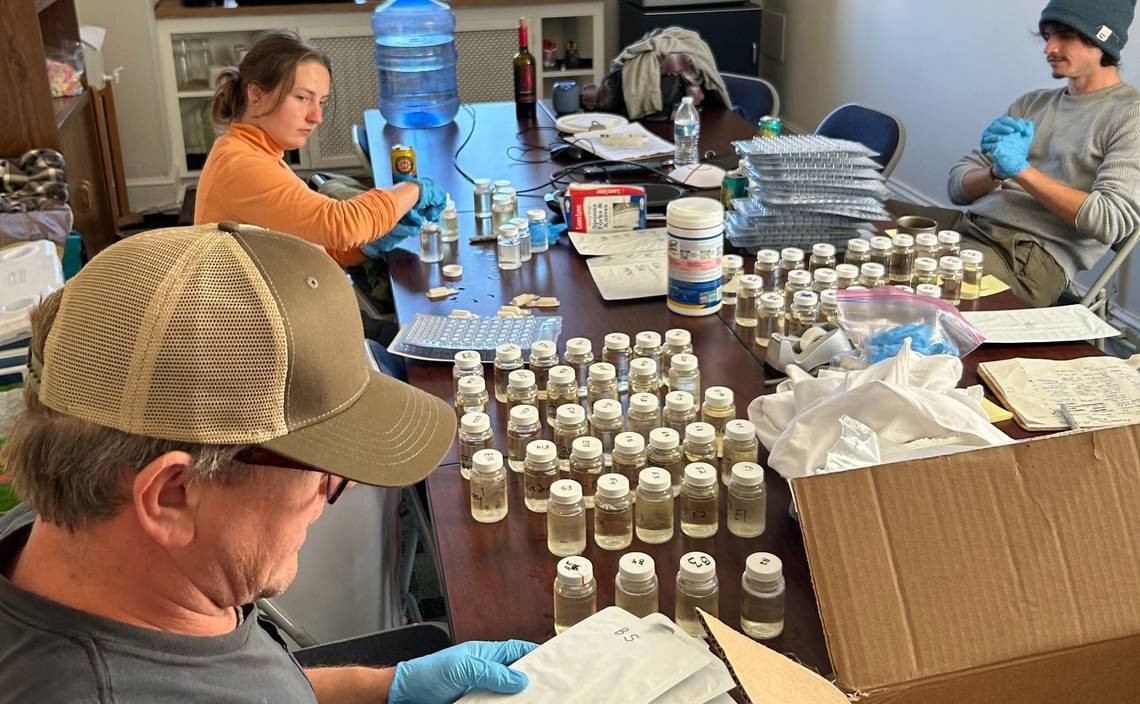
Local health departments reported that, as of November 26, only 2,234 families had made use of the free well-water testing and disinfecting kits provided by the state. Over 19,000 wells were in flooded areas and another 87,000 were within 100 meters of floodwaters. With so much work to be done, testing for contaminants hasn’t been a top priority for many families. Others made use of the services offered by nonprofits like MountainTrue (pictured ) and at least one local plumbing company has offered well decontamination. E. coli and other bacteria have been found in over 800 of the tested wells. There’s no sign of an increase in people coming to hospitals or doctors with those infections yet, though those numbers can’t account for the people who get sick and don’t go to a doctor. You can find the location of your health department in this press release from DHHS. The free kits come with all you need to disinfect and then test your well, including step-by-step instructions.
Some people outside of the region assume things are back to normal while others still believe old lies. Here are two articles you might find it helpful to share.
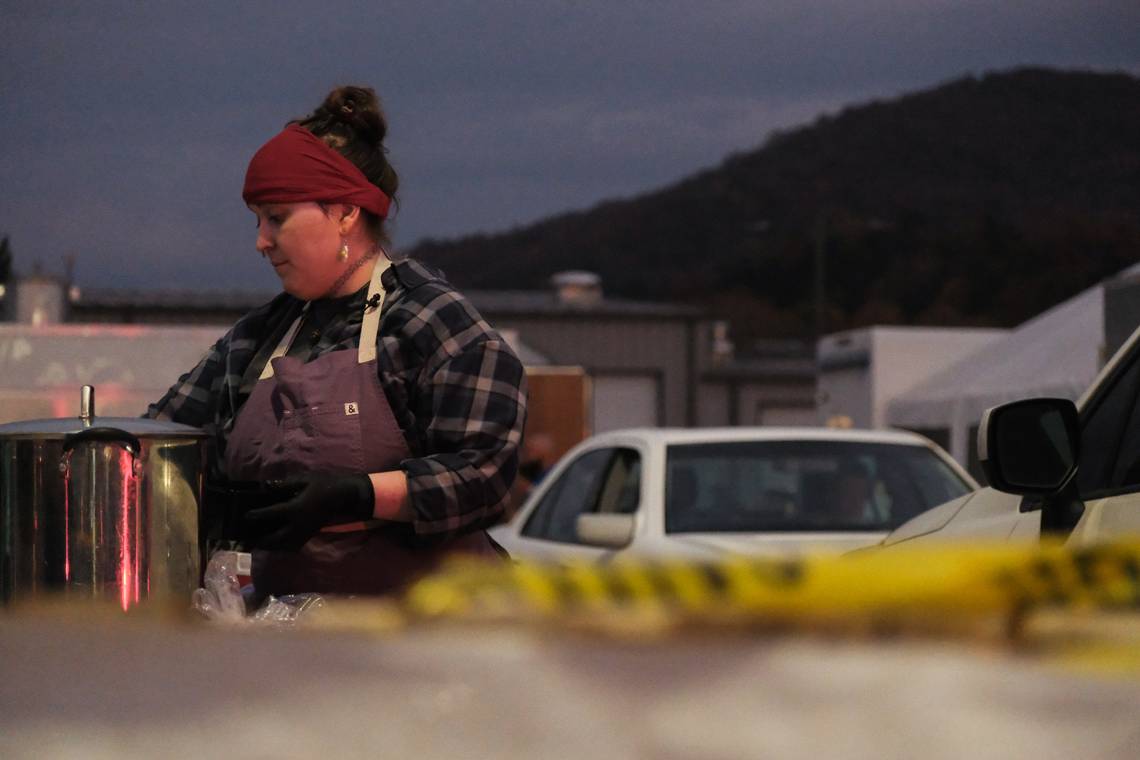
Here’s a good article that goes beyond the numbers and gives a very human look at what hard hit areas are still experiencing. It could be a good source to send to friends or family outside the region who don’t understand that things aren’t all better just because the national news has mostly moved on.
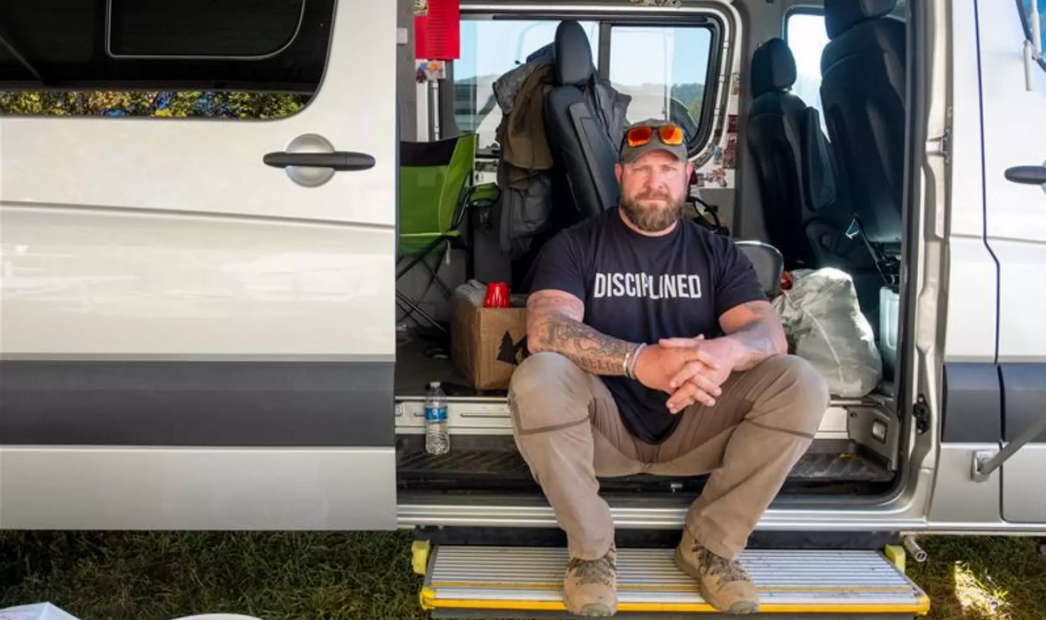
One of the groups mentioned in the article above, Savage Freedom set up headquarters at a Harley-Davidson dealership in Swannanoa right after the storm to help with search and rescue. Their leader, former Green Beret Adam Smith did an interview with Blue Ridge Public Radio in November dispelling some online disinformation about the number of deaths.
Stories of regular people stepping up to help each other in amazing ways don’t always get media attention. Here’s one that did.
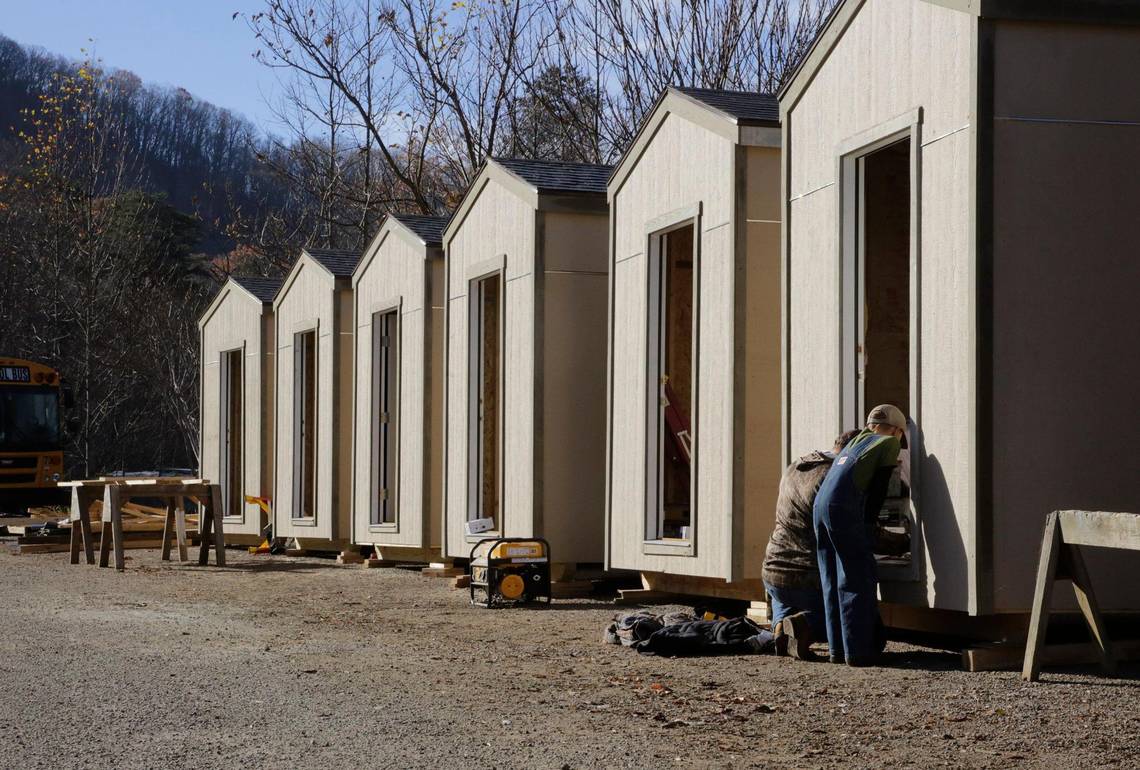
While awful stories of people taking advantage of each other during moments of crisis can grab headlines, we know there are hundreds more stories of people selflessly helping each other. In just one of the many examples of volunteer groups stepping up to provide for immediate needs following the storm, a Virginia couple started a group called Cabins 4 Christ and began building tiny homes for those in need. They’ve built 91 of the little structures keeping things very basic to avoid the need for inspections around electrical and plumbing systems. 141 families have been sheltered in these cabins and the used campers that people have donated to the group.
Communities take care of each other. Some communities get overlooked.
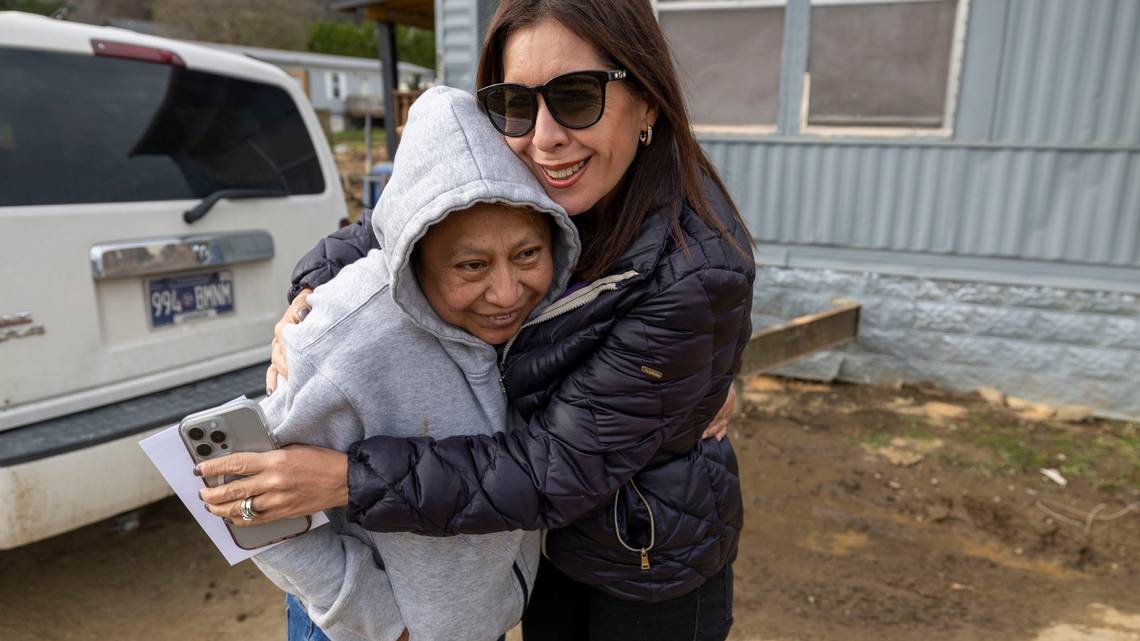 Many of the Latino members of WNC communities have struggled without the government managed aid their neighbors are receiving. Some are ineligible because of their immigration status while others are hesitant to reach out to government agencies out of uncertainty about how they will be treated. This has been exacerbated by the recent state law (HB10) that forces county sheriffs to cooperate with ICE. Community organizations and volunteers have stepped in to try to fill the gap.
 Keep WNC Home